







 |
 |
 |
 |
 |
 |
 |
 |
 |
 |





CHECK US OUT ON "FACEBOOK" FOR MORE AND BETTER PICS
Welcome to "Color by WEASEL"! We are a full service custom paint and
automobile restoration shop serving the industry with the most recent styles and designs providing you with a truly
one-of-a-kind art works. All of our projects start with an initial consultaion, either by e-mail or
phone. We determine your wants and desires and put them onto paper for your review. Once a
design, color, material type, and level of detail or preperation are selected, we price the project for
your approval. All of this is FREE! We believe that when you decide to paint your most prized
possession, it should be unique. We know that the hard earned money being used for your custom work of
art is strictly "extra". No one NEEDS custom paint...but we all WANT it!
This site was last updated:
You are visitor to this site!
Thanks for looking!


"Color by WEASEL" provides custom paint jobs for motorcycles, cars, trucks, wave runners, boats, guitars, helmets, mailboxes etc. Whatever you can get over here, we'll paint. We also specialize in automotive restorations. Cars, trucks, hot rods, street rods, whatever, we can rebuild them. We specialize in flames, color graphics, and special F/X. Drop shadows, inverted colors, candy colors, marblizer, and 3-D simulations are just a few. Base color, metallics, pearls, candies, and color change paint are just a few of the materials to choose from. All of our custom color products are "HOUSE OF KOLOR". We also use PPG or Martin Senour for factory color match.
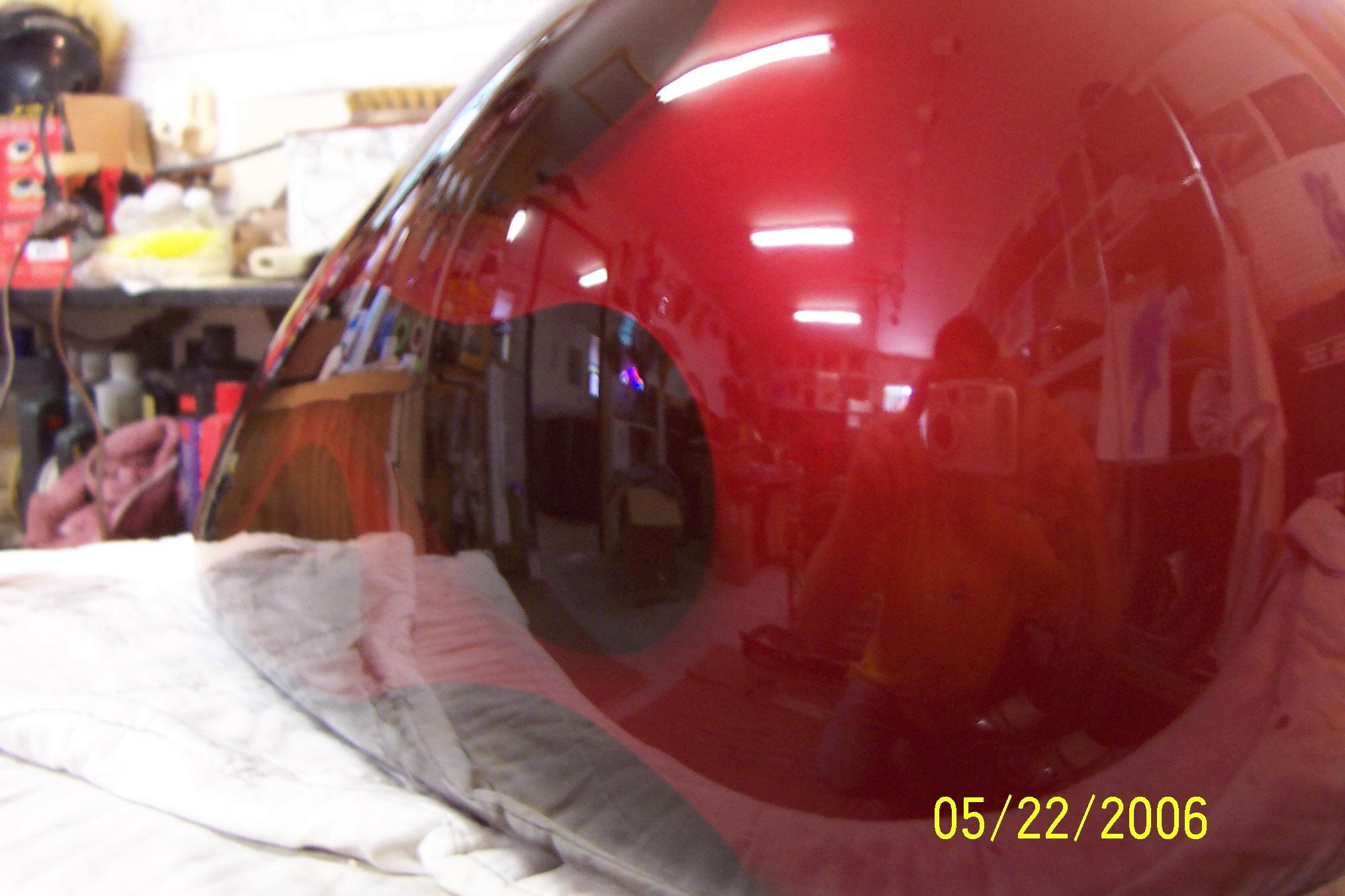
At "Color by WEASEL" we do a variety of schemes from mild to wild. Simple ghost flames to radical tribal designs are all waiting for you at "Color by WEASEL". Everything we do is one-of-a-kind. No two paint jobs are alike. There may be similarities but no two will ever be the same (unless of course we are copied!) All of our projects are done with "old school" methods, by hand. Our "claim to fame" is our clearcoat. We call it "Our bowling ball shine." Our clearcoat is applied smoothly with no orange peel. We say, "If you want orange peel, go to the grocery store, not a painter!"
So, if you have a design, or a basic concept in mind, call "Color by WEASEL" and we can get it on your goodie. Our turn around is usually within 2 weeks (add shipping if required.) We ship U.P.S. Ground, OR Priority Mail, insured, anywhere in the lower 48. We also have a few motorcycle tank and fender sets for sale as well as painting your parts.
Thank you for considering "Color by WEASEL" for your custom painting needs. We appreciate the opportunity to serve you and as always, satisfaction is guaranteed!
Thanks again! WEASEL


